Electricity: A Committee established for the execution of the Regional Energy Compact project in Côte d’Ivoire.
Ivory Coast has been eligible to receive a grant of three hundred (300) million USD, or approximately 187 billion Fcfa, to implement a Regional Energy Compact with the Millennium Challenge Corporation (MCC).
In order to better manage the project during its development phase on behalf of the State, and in accordance with MCC procedures, a Regional Compact Formulation Committee (CFPCR-MCC) has been established, according to an information note made public on Monday, October 16, 2023.
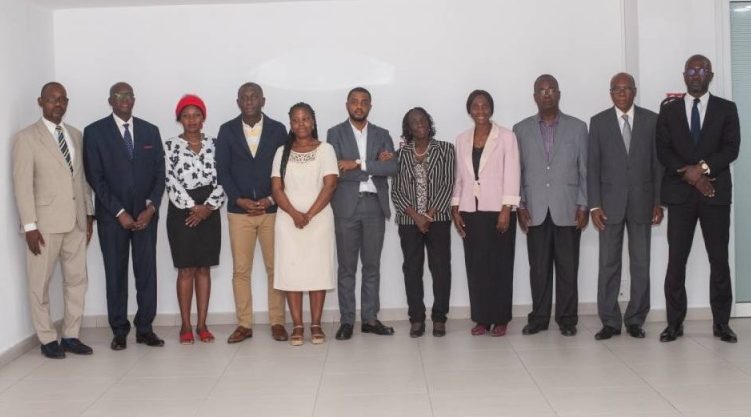
According to our source, this Committee consists of a steering committee made up of the Minister of Mines, Petroleum and Energy, the Minister of Economy and Finance, and the Minister of Budget and State Portfolio. This formulation committee also includes a working group composed of a representative from each ministry, totaling three (3) members; a technical formulation team composed of eleven (11) experts and a national coordinator.
This Regional Energy Compact aims to strengthen, among other things, the creation and integration of the electricity market in West Africa and the promotion of renewable energies (hydropower, biomass, solar…). The project will also help to enhance the interconnected electrical grid of Côte d’Ivoire to provide stable and affordable electricity to meet national and sub-regional demand. It also aims to develop the capacities of Ivorian and sub-regional institutions to ensure services with minimal impacts on climate, the environment, and health while respecting the objectives of gender integration and social inclusion.
Ivory Coast occupies a critical position in the West African Electricity Exchange System (EEEOA). This role as an energy hub presents several challenges for the Ivorian electricity sector and regional institutions: increasing the quantity and reliability of exported electricity, strengthening governance, and enhancing the trust of market participants.
Ivory Coast has significant resources in hydroelectric power, thermal gas, biomass, solar energy, and an interconnected electrical network with neighboring countries, which allows for the export of electrical energy, particularly to Benin, Burkina Faso, Ghana, Guinea, Liberia, Mali, Sierra Leone, and Togo.
It is also worth noting that the decree establishing this Committee for the formulation of the regional Compact (CFPCR-MCC) was signed on September 28, 2023.